Directly supported by evidence.
Experiments in AI, archives and human memory
BeginMNEME Memory Lab
Experiments in AI, archives and human memory.
The Memory Lab tests what AI may repair, infer, narrate or refuse when archival evidence runs out.
Begin with the vocabulary of evidence, then carry it into four experiments about memory, identity and consent.
LAB 00The threshold
Begin here
How Do You Know That?
A polished caption can make observation, inference and invention sound equally certain. Separate one archival sentence into claims, and name what each rests on.
Audit the caption Round 1 prototype · Approx. 4 minutes · Answers stay in this browser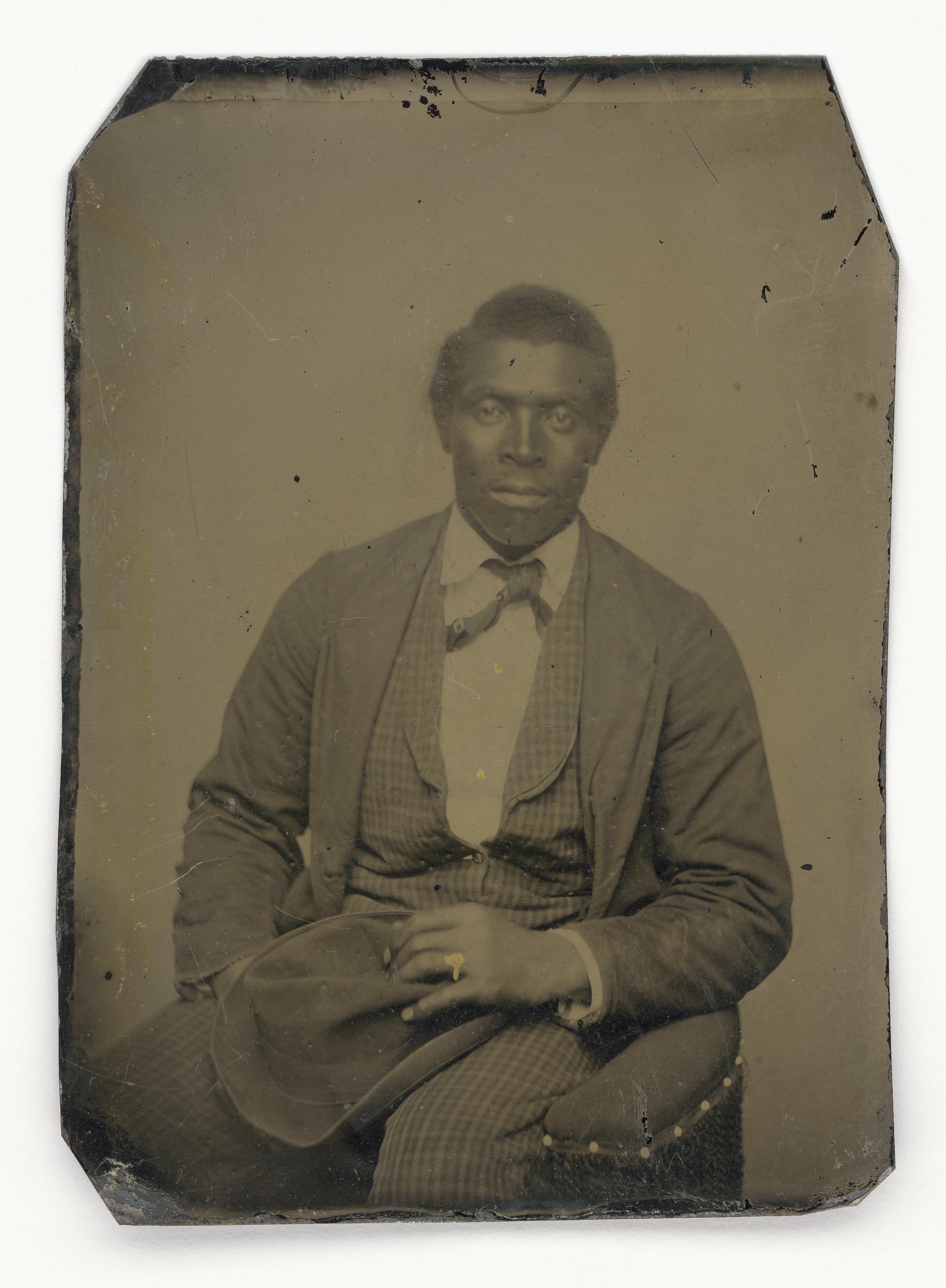 NMAAHC 2010.36.11.3
01 of 04 · Memory LabOpen
What should an intelligent archive refuse to invent?
Question a real historical photograph. The archive distinguishes what is supported, what can be inferred and what would require invention, while naming what the record cannot establish.
The first of four experiments in the MNEME Memory Lab.
Begin with Experiment 01Exhibition index
Four experiments. One evidence-first practice.
The MNEME Provenance Layer
Three claim labels—and one state of the archive.
Use them in captions, collection records, model prompts and review meetings.
Reasonable interpretation, but not established.
Created rather than recovered.
The available evidence cannot support an answer. This is an archive state, not a claim category.
Toolkit and one-page provenance sheet in development.